German emissions slowdown threatens 2030 climate targets
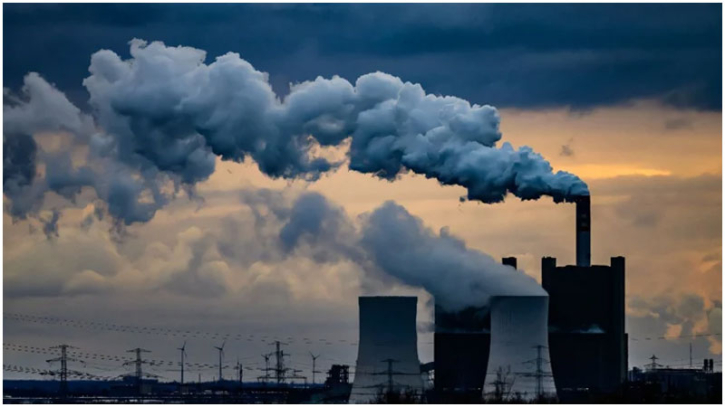
Germany’s efforts to cut greenhouse gas emissions continued to lose momentum in 2025, raising doubts about whether the country can meet its long-term climate goals, a report from think tank Agora Energiewende warned on Wednesday.
The study found emissions dropped just 1.5 percent in 2025 compared with the previous year. That marks a slowdown from a three-percent decrease in 2024 and a sharp fall of 10 percent the year before.
At the current pace, the report said Germany risks missing its target of cutting emissions by 65 percent compared with 1990 levels by 2030. To stay on track, the country would need to reduce emissions about four times faster every year starting in 2026.
The think tank noted that much of last year’s reduction came from declines in heavy industry, which has struggled amid weak economic growth, as well as strong solar power output. But emissions rose again in transport and building heating, areas the report says have seen years of slow policy progress, especially on electric vehicles and heat pump installation.
Agora warned that pressure on the power sector alone is not enough to make up for delays in other parts of the economy.
The findings are likely to fuel ongoing criticism of the government of Chancellor Friedrich Merz, whose coalition has scaled back or opposed several green measures, arguing they place too much strain on citizens and businesses. These include moves to weaken rules on renewable heating systems, water down EU plans to phase out combustion-engine cars, and scale back support for solar energy.
Total emissions in 2025 were estimated at 640 million tonnes, nine million tonnes less than the year before, while national emissions overall are now 49 percent below 1990 levels.
Weather-related factors hindered gains in the power sector early in the year, and colder temperatures increased fossil fuel heating demand, pushing building emissions up more than three percent. Transport emissions also rose by around 1.4 percent due to higher fuel consumption.
Some indicators were more positive. Sales of heat pumps reached about 300,000 units, overtaking gas boilers for the first time, and electric vehicles made up roughly one-fifth of new car registrations. Even so, Agora cautioned that high investment costs are still slowing the shift to cleaner technologies in buildings, transport, and industry.
.png)