ChatGPT to introduce ads based on user conversations in major shift

ChatGPT may soon start showing users advertisements tailored to their interests. OpenAI announced on Friday that it will test in-chat ads for logged-in adult users in the United States who use the free version of the AI tool.
The company is also launching a new $8-per-month “Go” subscription tier, which includes extended memory and increased image generation capabilities. Despite the monthly fee, “Go” users will still see ads, while those subscribed to the Plus ($20/month) or Pro ($200/month) plans, as well as business customers, will remain ad-free.
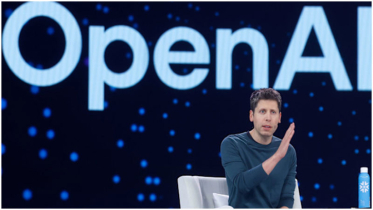
OpenAI chief executive Sam Altman had previously expressed discomfort with the idea of adding ads to ChatGPT. However, the company faces pressure to increase revenue as it works toward funding an estimated $1.4 trillion in AI infrastructure over the next eight years. In November, Altman said OpenAI expected to generate around $20 billion in revenue by the end of 2025.
In recent months, OpenAI has experimented with new commercial tools, including “Instant Checkout,” which allows users to buy items from retailers such as Walmart and Etsy without leaving ChatGPT. The company has also added learning and health-related features as part of its strategy to make ChatGPT a more integral tool in daily life — and encourage more users to upgrade to paid plans.
Advertisements could become a substantial revenue stream for the company because user conversations provide highly specific signals about interests and needs. For instance, someone asking for travel suggestions might see ads for hotels or attractions in the destination they mention. During the trial phase, ads will appear at the bottom of ChatGPT responses and be marked as “sponsored.” OpenAI stressed that ads will not influence the answers ChatGPT generates and insisted that users must trust responses are based on objective usefulness.
The company stated that it will not sell user data or chat logs to advertisers. Users will also have the option to disable personalized ads. Moreover, OpenAI said it will not show ads in conversations related to regulated or sensitive topics such as politics, health, or mental health.
“Given what AI can do, we’re excited to develop new experiences over time that people find more helpful and relevant than any other ads,” OpenAI said in a blog post. “Soon you might see an ad and be able to directly ask the questions you need to make a purchase decision.”
Altman has long expressed mixed feelings about advertising, calling it “uniquely unsettling” in combination with AI, though he has acknowledged the financial pressure on OpenAI to explore the model. While he once said he “hates” ads, he has conceded that the company could adopt them with careful consideration.
The introduction of ads inside conversations is expected to raise concerns about privacy and safety, especially given the personal nature of topics users often share with AI systems. OpenAI has already faced legal claims alleging ChatGPT played a role in harmful user outcomes, placing added pressure on the company to monitor products and services advertised through the platform.
The company confirmed that ads will not be served to minors. OpenAI uses its systems to estimate user age based on engagement patterns and conversation context and will exclude anyone identified, or assumed, to be under 18 from receiving ads.
The move signals a broader industry trend toward ad-supported AI. Meta, for example, began incorporating data from interactions with its AI assistant into ad targeting systems in December.
.png)