China factory activity rises slightly, ending eight-month decline
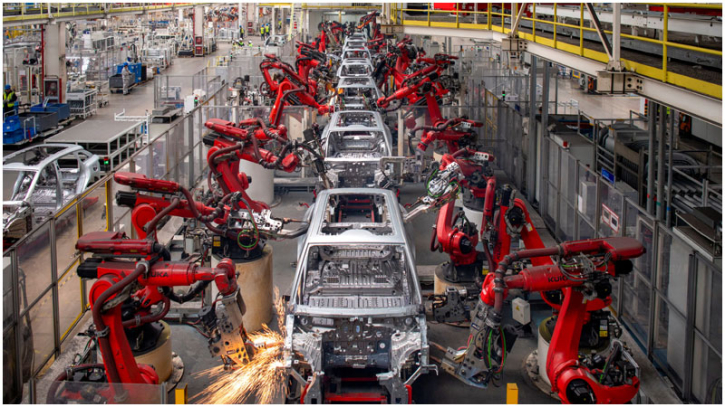
China’s factory activity edged up in December, official data showed on Wednesday, offering a rare positive note at the end of an otherwise subdued year for the world’s second-largest economy.
The manufacturing purchasing managers’ index, a key gauge of industrial health, rose to 50.1 in December, according to the National Bureau of Statistics. The reading moved just above the 50-point threshold that separates expansion from contraction, marking the first positive figure since March.
The outcome was stronger than expected, exceeding a Bloomberg survey forecast that had predicted the index would remain at 49.2. The non-manufacturing PMI also improved, rising to 50.2 in December after slipping to 49.5 the previous month, returning that sector to expansion territory.
An NBS statistician said the data showed an overall improvement in economic activity, offering some encouragement to policymakers in Beijing as they confront persistent domestic challenges.
China’s growth has been weighed down by cautious consumer spending linked to a prolonged property-sector debt crisis. Retail sales growth in November slowed to its weakest pace in nearly three years, highlighting the depth of consumer concerns.
Reviving demand has become a top policy priority. Authorities announced this week that 62.5 billion yuan, or about $8.9 billion, in new funding would be allocated to an existing consumer goods trade-in programme in the coming year. The subsidies will apply to items such as household appliances, vehicles and computers.
Analysts cautioned that the improvement may be limited. Capital Economics said the PMI data suggested only a partial rebound in investment and construction activity, while the service sector remained weak and manufacturing growth continued to rely heavily on exports.
Structural challenges from the property downturn and industrial overcapacity are expected to persist into 2026, the firm added.
.png)