Cuba's energy crisis to worsen without Venezuelan oil
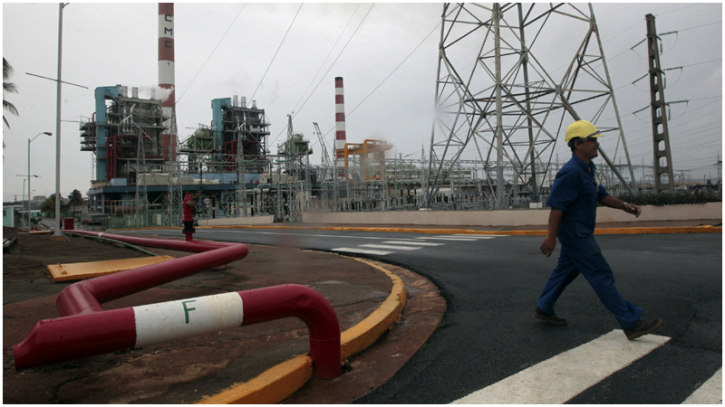
Cuba has been experiencing a worsening energy crisis for several years, which has led it to rely heavily on Venezuela for its fuel. Following the United States' intervention in Venezuela earlier this month, Cuba is expected to lose a vital supply chain for fuel, putting increasing pressure on the government to respond to the energy crisis.
In the short-term, this will likely mean relying more heavily on oil-rich neighbours, such as Mexico, to provide supplies. However, Cuba must look for a long-term solution to its energy problems to bring an end to the crisis and enhance security.
The ongoing energy crisis in Cuba has led to residents experiencing almost daily blackouts and gas cuts in recent months. The crisis was driven by years of underinvestment in the country’s transmission network, which led power plants to run below capacity. The country’s energy supply now falls far below the consumer demand. The regular blackouts have forced Cubans to invest in charcoal stoves, rechargeable batteries, and fans, which many residents can scarcely afford.
In March last year, Cuba’s national electrical grid collapsed, leaving most of the island’s population of 10 million without power. Major tourist hotels came to rely on generators, while many had no access to power at all. This has resulted in mass protests, as residents call for the government to address the crisis.
Venezuela has become one of Cuba’s main oil suppliers in recent years. Despite its dwindling oil production, Venezuela was shipping an average of 26,500 bpd to Cuba last year, according to ship tracking data and internal documents of state-run PDVSA. This was thought to cover around 50 percent of Cuba’s oil deficit, while Venezuela accounted for roughly 10 percent of Cuba’s trade in 2025.
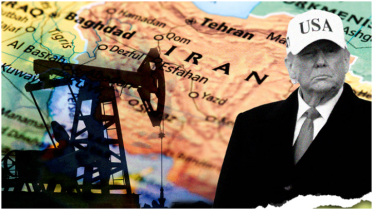
However, no cargoes have reportedly left Venezuelan ports for Cuba since the U.S. intervention in the South American country earlier this month. Thirty-two members of Cuba's armed forces and intelligence services were killed during the U.S. attack. President Donald Trump has since warned Cuba that it should sign an agreement with Washington to ensure it continues to receive much-needed oil from Venezuela.
Trump posted on his Truth Social platform, “THERE WILL BE NO MORE OIL OR MONEY GOING TO CUBA – ZERO!” He added, “I strongly suggest they make a deal, BEFORE IT IS TOO LATE.”
Shortly after, Trump wrote, “Cuba lived, for many years, on large amounts of oil and money from Venezuela. In return, Cuba provided ‘Security Services’ for the last two Venezuelan dictators.” The president went on to say, “But not anymore! Most of those Cubans are DEAD from last week’s U.S.A. attack, and Venezuela doesn't need protection anymore from the thugs and extortionists who held them hostage for so many years. Venezuela now has the United States of America, the most powerful military in the World (by far!), to protect them, and protect them we will.”
Cuba’s president, Miguel Diaz-Canel, responded by writing on the X social media site, “Cuba is a free, independent and sovereign nation. No one tells us what to do.” He added, “Cuba does not attack; it has been attacked by the U.S. for 66 years, and it does not threaten; it prepares, ready to defend the homeland to the last drop of blood.” Meanwhile, Cuban Foreign Minister Bruno Rodriguez wrote on X that Cuba had the right to import fuel from any suppliers willing to export it.
The halt of Venezuelan oil exports to Cuba has forced Mexico to step in. Mexico moved ahead of Venezuela in 2025 as Cuba’s main oil supplier, according to a recent Financial Times article, although President Claudia Sheinbaum was quick to say that Mexico is not shipping significantly more oil to Cuba than in previous years. President Sheinbaum said, “We are not sending more oil than we have historically… Of course, with the current situation in Venezuela, Mexico has obviously become an important supplier. Before, it was Venezuela.”
Mexico was estimated to have sent a daily average of 12,284 bpd of crude to Cuba in 2025, contributing 44 percent of the Caribbean island’s crude imports, while Venezuela exported an estimated 9,528 bpd of oil to Cuba, accounting for 34 percent of its oil imports.
The Trump administration is less than impressed by the ongoing export of Mexican crude to Cuba, which could put increasing pressure on Sheinbaum to curb shipments due to the upcoming review of the North American USMCA free trade agreement. The Florida Republican Congressman Carlos Giménez recently threatened, “Make no mistake: if the Sheinbaum government continues to give away free oil to the terrorist dictatorship in Havana, there will be serious consequences as we renegotiate the USMCA.”
As the threats continue to mount, several Latin American countries are feeling increasing pressure from their northern aggressor to change their behaviour. President Trump is strongly encouraging Cuba to sign an agreement with Washington to ensure its oil supply and alleviate its ongoing energy crisis. While Mexico is feeling greater pressure to curb its increasingly vital oil exports to Cuba.
.png)