BoJ set for rate hike to decades-high levels
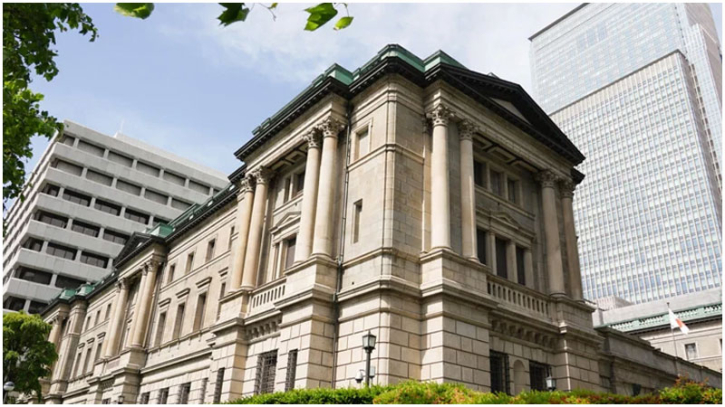
The Bank of Japan is widely expected to raise interest rates on Friday to their highest level in around 30 years, marking its first increase since January and potentially adding pressure to already volatile debt markets.
Japanese government bond yields have climbed in recent weeks amid concerns over Prime Minister Sanae Takaichi’s fiscal stance, while the yen has weakened. Higher policy rates tend to make Japanese bonds more attractive, pushing prices lower and yields higher.
Although Japan’s economy shrank 0.6 percent in the third quarter, BoJ governor Kazuo Ueda said the impact of US tariffs has so far been limited, noting that American companies have largely absorbed the costs rather than passing them on to consumers.
Inflation, however, remains well above the central bank’s two percent target, with core consumer prices rising 3.0% in October. Analysts say this has narrowed the window for policy tightening before global economic headwinds intensify.
Most economists surveyed by Bloomberg expect the BoJ to lift its benchmark rate from 0.5% to 0.75%, the highest level since 1995. The move would further distance Japan from other major economies, including the United States, where interest rates are now being cut.
The expected hike could help ease inflationary pressure, an important issue for Takaichi as her government seeks to avoid public backlash over rising living costs. Lawmakers recently approved an additional 18.3 trillion yen stimulus package to support households, though more than 60 percent of the funding will come from new borrowing.
Japan already carries the highest debt-to-GDP ratio among major economies, with the IMF forecasting it to reach 232.7% this year. Concerns over fiscal sustainability have pushed 30-year bond yields to record highs and lifted 10-year yields to their highest levels in nearly two decades.
Analysts warn that heavy borrowing, rising yields and a weaker yen could undermine longer-term economic stability, offsetting the benefits of stimulus measures and complicating the BoJ’s policy path.
.png)