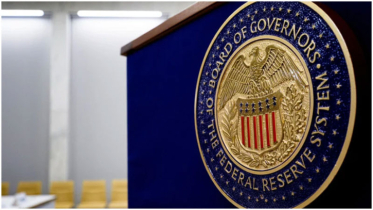
Trump approves limited Nvidia sales of advanced AI chips to China
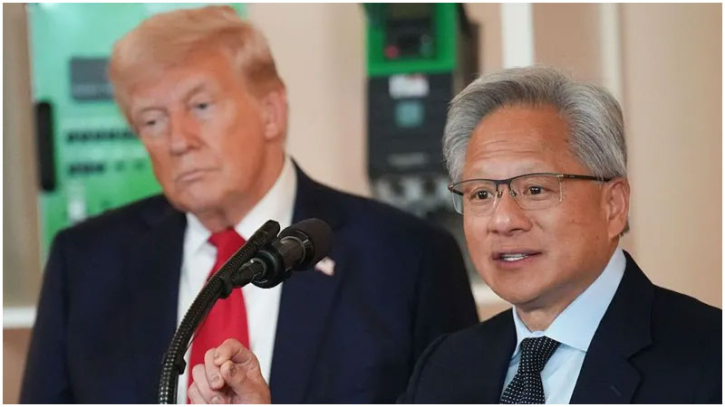
US President Donald Trump has announced that Nvidia will be permitted to sell its H200 artificial intelligence chips to selected buyers in China, provided they meet US government approval.
In a post on social media, Trump said the move would safeguard national security while supporting American employment and maintaining US leadership in AI innovation. The policy will also extend to other American chipmakers, including AMD, and follows a week of lobbying in Washington by Nvidia CEO Jensen Huang.
Nvidia, currently the world’s most valuable semiconductor company, has been caught between US–China tensions after previous restrictions barred it from exporting its most capable chips to Beijing. Although Trump lifted that ban in July, he required the company to hand over 15% of its China-related revenue to the US government. Chinese authorities responded by telling domestic tech giants to avoid Nvidia chips designed for their market.
In a statement, Nvidia welcomed the president’s latest decision, saying that the ability to offer H200 chips to vetted commercial clients through the Commerce Department helps support US jobs and competitiveness. The H200 is one generation older than Nvidia’s cutting-edge Blackwell processors.
Huang has argued in multiple interviews that global access to advanced AI hardware, including in China, is important, while warning that China’s semiconductor ecosystem is catching up quickly. The company’s stock price rose modestly following the announcement.
Trump later commented that 25% of revenue would go to the US, though details remain unclear. The White House has yet to clarify the final terms, and the policy is expected to face pushback from lawmakers focused on national security.
Analysts say the decision may temporarily ease US–China tensions and give Washington leverage in negotiations over rare earth minerals, which are vital to electronics manufacturing and overwhelmingly processed in China. Nonetheless, Beijing is still expected to accelerate efforts to reduce dependence on US technology.
Experts at Georgetown University’s Center for Security and Emerging Technology note that China’s military has been using advanced American-designed chips in AI-enabled defense projects. One researcher warned that easing access could help China advance military AI systems more rapidly.
.png)